

The nearest future clearly points toward digital art becoming a major part of everyday creative expression. Artists are increasingly adopting digital tools to create immersive and interactive experiences. Technology allows art to exist beyond physical boundaries, reaching global audiences instantly. Digital art enables new formats such as motion graphics, 3D visuals, and virtual exhibitions. Ownership models like NFTs give artists more control and fair compensation for their work. Social media and online galleries make discovery easier for emerging creators. Artificial intelligence is expanding creative possibilities by assisting in design and concept generation. Digital art also supports sustainability by reducing the need for physical materials. Collectors are becoming more comfortable with owning digital assets. This shift is reshaping how art is created, shared, and valued.
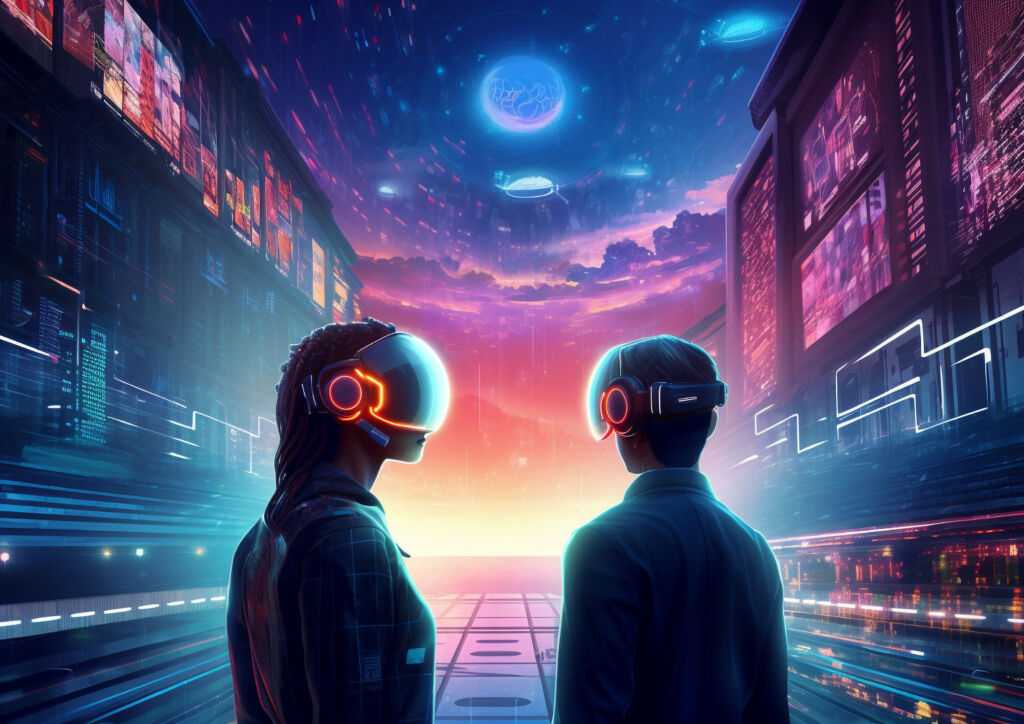
As digital art evolves, it will blend seamlessly with other digital experiences. Virtual reality and augmented reality will make art more immersive and interactive. Metaverse platforms will host galleries, performances, and cultural events. Digital art will play a key role in gaming, branding, and entertainment industries. Collaboration between artists and technologists will become more common. Educational institutions are already integrating digital art into their programs. Customization and personalization will allow audiences to interact with art in unique ways. Digital art will also preserve cultural heritage in innovative formats. As access to technology increases, more creators will enter the digital art space. The future of art is dynamic, digital, and inclusive.
